
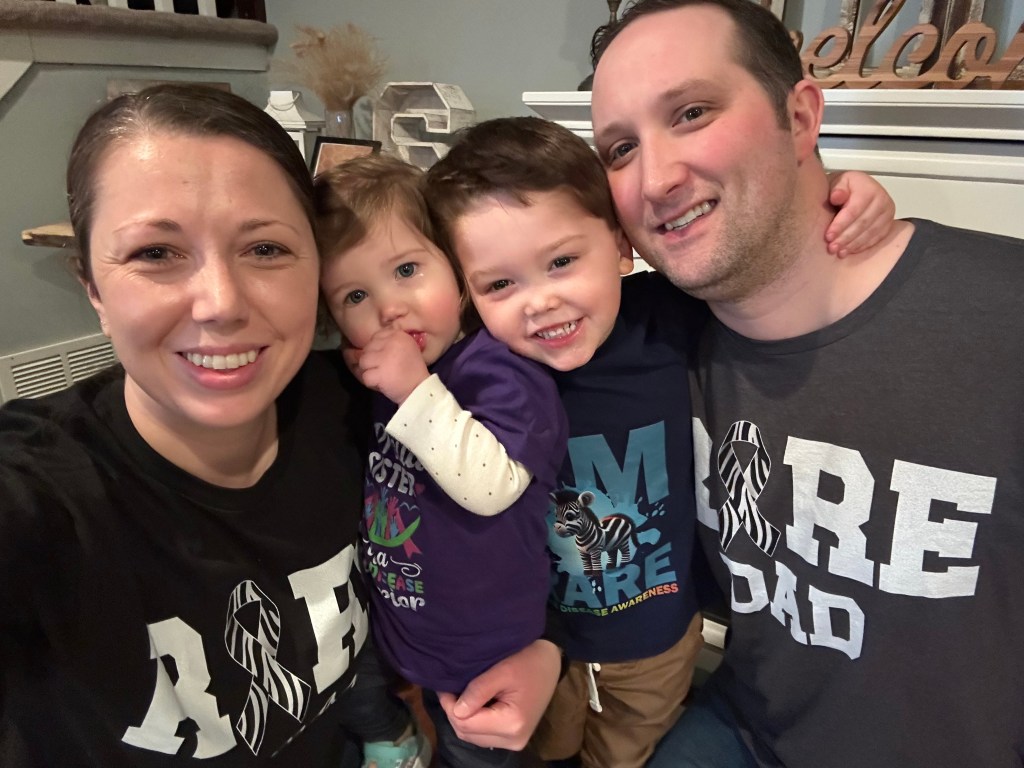
At 4:00am on April 14, 2022, the baby monitor crackled to life. Kathleen Simonetti woke up, her ears finely attuned to the sounds of her 10-month-old son, Noah. But this time, something seemed off. The noises Noah was making seemed abnormal, gurgling.
Kathleen made her way to Noah’s room to find her son limp and blue — a stark and frightening contrast to the bubbly, happy-go-lucky child she had picked up from daycare just 12 hours before. She laid him on the floor and performed CPR while her husband called paramedics.
“He was in ventricular fibrillation,” Kathleen says. “He had to get shocked twice with the defibrillator before he was stable enough to be transported to the hospital.”
Despite being intubated for 24 hours, Noah recovered with no signs of brain damage or lasting effects. But his parents were terrified — and doctors were completely flustered. They had no idea why a seemingly healthy young boy would have cardiac arrest.
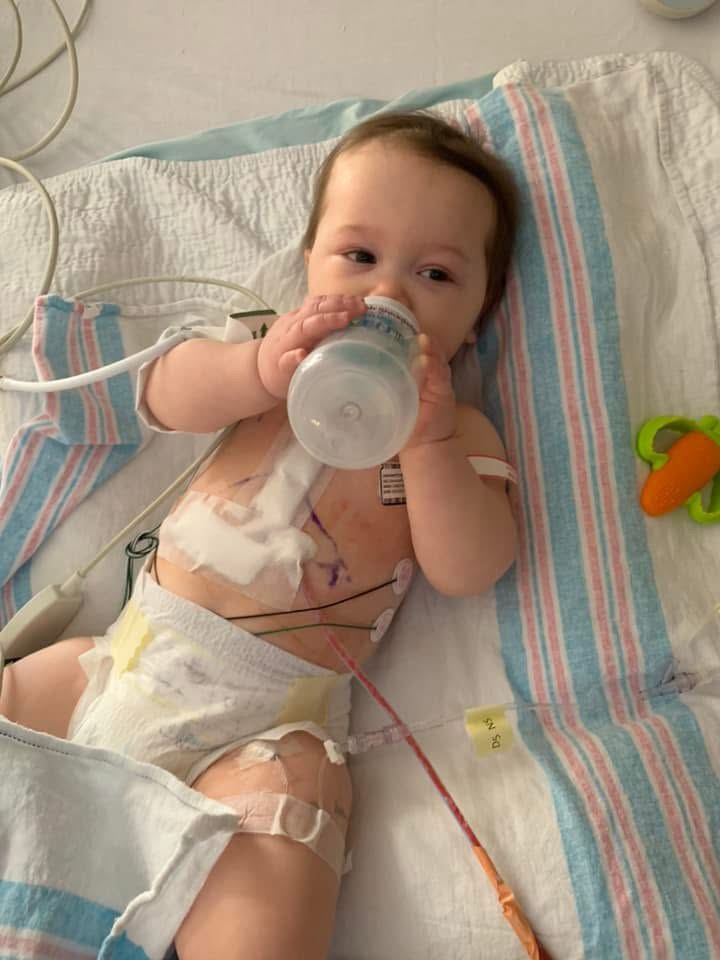
“My pregnancy was as normal as normal is, and Noah was sick frequently but nothing concerning,” shares Kathleen. His first cardiac arrest shattered any sense of predictability or safety for the family.
After transferring to Columbia University Irving Medical Center in New York City, Noah underwent surgery for an implantable cardioverter defibrillator. Doctors also performed genetic testing related to cardiac function. “The results were not conclusive,” says Kathleen, “so we got no answers from that.”
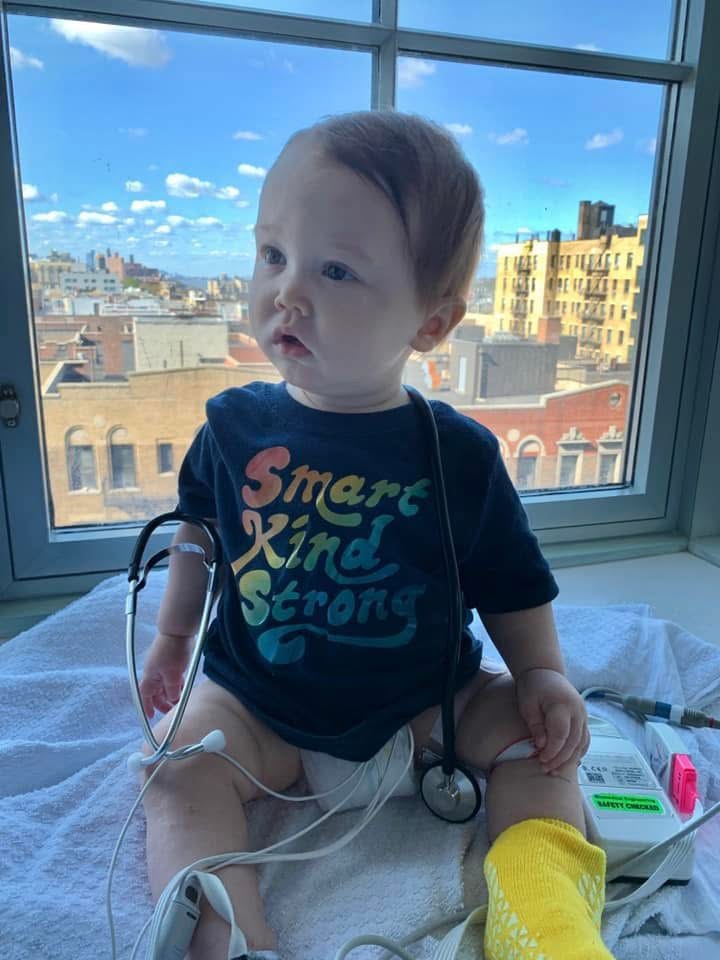
So Noah was sent home with his family. Home to recover, to spend time with family, to go back to school, and even go on a few vacations. Unfortunately, this was just the start of the family’s journey with what they know now to be an ultra-rare genetic condition called PPA2.
The Path to a PPA2 Diagnosis
The holiday season can be overwhelming, but it becomes even more overwhelming when you find yourself managing a terrifying medical situation.
That’s exactly where Kathleen and her husband found themselves around Christmas 2022. Noah developed pneumonia right after the holiday — Kathleen had noticed sternal retractions, which are associated with respiratory distress or difficulty breathing — and had to be intubated at the hospital.
The nightmare began again, this time with three consecutive cardiac arrests. Kathleen pauses, speaks softly as she tells me, “They told us to call our families because they didn’t know if he was going to make it.”

But Noah is a fighter, and his parents are too. With “his heart not functioning at normal levels and decreased function in his left ventricle,” Noah remained intubated for a week — then he stabilized. He developed bed sores, then he healed. And the toddler who had been walking and talking had to relearn how to eat, sit, walk, and speak.
“At this point, when they let us go home, we knew there was something more happening,” says Kathleen. “There has to be a reason why he’s 18 months old and has had four cardiac arrests.”
Kathleen and her husband demanded answers. If Noah was going to survive whatever was affecting his heart, they needed to understand what they were fighting. They pushed for whole exome testing, comprehensive genetic tests that explore more genes than the cardiac-specific testing they had done earlier.
In June 2023, when Kathleen was six months pregnant with Noah’s sister, the results came back. “It was a Thursday afternoon at 5pm, a few weeks after Noah’s second birthday,” Kathleen reflects. “They emailed the results to me first: that Noah had a pathogenic gene mutation causing PPA2 Deficiency.”
The first night was spent online, researching the little information available on PPA2. By the next morning, Kathleen and her husband were on the phone with several doctors — “they were all amazing and all coordinated with each other,” she says — but they received more worrying news. Despite the fact that doctors could define what the diagnosis was, none of them had ever heard of PPA2 or treated any patients with PPA2.
With a light shrug, Kathleen explains, “We figured we’d all learn together.” However, she did get amniocentesis done for her pregnancy. Her daughter does not have PPA2, but it’s unclear if she may be a carrier for this condition.
What is PPA2?
Pyrophosphate 2 (PPA2) deficiency, also called PPA2 or PPA2-associated cardiac sudden death, is a rare genetic disorder that causes a mutation of PPA2. Normally, PPA2 plays an important role in the body by breaking pyrophosphate into inorganic phosphate, needed for cellular energy called ATP.
The heart uses ATP as its main energy source for contracting and pumping. In PPA2, the deficiency causes the heart to function improperly.

“According to literature we’ve found, alcohol, vinegar, and mild illnesses can all be triggers. Any time Noah is sick, it could put stress on the cells and cause cardiac arrest,” Kathleen explains. “But there’s a major lack of understanding as to why this mutation leads to cardiac arrest and, specifically, the role alcohol plays.”
For Noah, avoiding potential triggers means staying on a limited diet — especially since he also has additional food allergies. “Alcohol and vinegar are found in all sorts of condiments and natural flavorings. The worst part is that many food companies don’t disclose ingredients,” says Kathleen.
According to Kathleen, “per the most recent literature in 2024, there’s only around 65 recorded cases in the world.” But she believes that PPA2 may be severely underreported and underdiagnosed. Young children who pass away under the age of two may be misdiagnosed as having Sudden Infant Death Syndrome (SIDS) if no genetic testing is done; teenagers with PPA2 may pass away after having their first sip of alcohol and have it written off as alcohol-related.
If the healthcare system began implementing more genetic testing for these scenarios, more individuals with PPA2 might be found — and this could be crucial both for collecting information about the disorder and also potentially working towards a treatment in the future. As it stands out, there is no treatment or cure.
“How many children do you have to lose before you do more widespread genetic testing or make it widely available?” Kathleen asks.
Heart of PPA2
In 2023, desperate for more information, Kathleen discovered a Facebook group with twenty other members across the globe. Five individuals had PPA2 and the others were family members of those who had passed away from the condition.
“I found a community that I could share our medical plans and any information with. Nobody really understands unless they’re in the thick of it,” she says. “It’s great to have a community that supports each other, but we also mourn together.”
Over the years, the group has grown to around 75 members, 15 of whom are currently living with PPA2. The group also represents Kathleen’s belief that PPA2 is underdiagnosed, as several people in the group have not been discussed in medical literature: “We think the numbers are skewed.”
Eventually, Kathleen and the other families formed Heart of PPA2, their own advocacy organization. They declared May 2nd as PPA2 Awareness Day — Noah even brought a facts sheet to daycare to share with his classmates.

The Facebook group functions as a form of medical discussion and literature that doesn’t exist elsewhere: families sharing emergency protocols or comparing how to manage sick days. When Noah visits his mitochondrial and metabolic care team at the Children’s Hospital of Philadelphia (CHOP), Kathleen translates any new insights to her community.
In the future, the group hopes that researchers will focus more on the questions that the community has: “Why is there such a big span of symptoms? We do know of some people in their 40s who are alive, so what sustains them when younger people are passing away? Could there ever be gene therapy?”
Noah Today
While Kathleen doesn’t want to scare Noah, she is open with him about his condition in an age-appropriate way. When Noah asks why he must go to the doctor more than other kids, “we say he’s special and we want to keep his heart safe. He knows that he has something in his belly that protects his heart (ICD).” The family does a lot of work to make sure Noah feels included, including bringing special food to parties so he can eat.
Despite the challenges he has faced, Noah is a bright, vivacious four-year-old that his mom describes as smart, funny, intuitive, and wise beyond his years.

“He can always tell when someone is upset. He’s very kind,” she says. “He loves his baby sister too and is always trying to take care of her.”
Noah’s mitochondrial specialists point out that Noah doesn’t present like traditional cases “because he has no obvious disabilities. He could show more neurological symptoms and muscle weakness with time. But now he’s just a kid who looks normal, goes to school, and plays soccer.”

However, his bubbly personality and relatively “normal” appearance sometimes make it difficult for Kathleen to explain to family how severe PPA2 can be. Even though they’ve seen him in the hospital, or know that he’s suffered cardiac arrests, “it doesn’t always click that what is a common cold for most people can become a hospital visit or death for Noah. Getting people to understand that is hard and isolating. We have to trust that people will show up to events or gatherings and not be sick.”
Although the future is uncertain, Kathleen knows that she’ll continue pushing forward and advocating for change: for Noah and the others in her community.
For those who are newly diagnosed or caregivers of someone with PPA2, Kathleen wants you to know that there are people out there who understand. And for those of you who believe your child may have PPA2 but are struggling to be heard, Kathleen reminds you to follow your gut and push for answers. “Push for all the testing you can and genetic results,” she says. “We have to be the voice for our children.”
If you are a family or researcher who would like to get in touch with Kathleen or Heart of PPA2, you can reach out on Facebook, Instagram, or at heartofppa2@gmail.com.

 Rareatives
Leave a comment