

Currently, 95% of rare diseases do not have FDA-approved treatment options. When parents and families gain access to investigational therapies through clinical trials, and these therapies confer actual benefits for their children, it brings hope that they could soon become part of the 5%.
For Frances Pimentel and Kim Higbee, the results they’ve witnessed in their daughters—Violet and Harlow, respectively—after they were enrolled in clinical studies evaluating SL1009 (Sodium Dichloroacetate Oral Solution, or DCA) for Pyruvate Dehydrogenase Complex Deficiency (PDCD) have been nothing short of incredible.
“It’s night and day,” Kim tells me. “As far as milestones go, she started to crawl last year. She can pull herself up to stand. She’s even communicating in her own way. I can definitely see the difference between pre- and post-DCA.”
Frances agrees, saying Violet “can independently stand for 8-20 seconds at a time, and has moved on to a walker that she holds and can take steps with. She speaks a lot of words and almost full sentences, like ‘help, put shoes on’ for her sparkly high-top shoes.” With a laugh, Frances says, “The other day, she even told my husband, ‘Pour coffee momma.’”
Unfortunately, on September 8, 2025, the FDA issued a Complete Response Letter to Saol Therapeutics, the pharmaceutical company developing SL1009. A Complete Response Letter essentially means that the FDA does not approve the application to market the drug. According to a press release regarding this issue, Saol Therapeutics shared, “To address the deficiencies as the FDA requested, it would take several years and require significant financial resources.”
While the company remains committed to providing PDCD families with SL1009 through the open-label extension of the clinical trial and the Expanded Access Program, families like Kim’s and Frances’ are left terrified for what might come next. In their interview with Rareatives, Kim and Frances discuss their daughters’ stories, why the FDA’s Complete Response Letter fails to consider the big picture, and the importance of advocacy.
The Diagnostic Journey
When Kim gave birth to her daughter Harlow, doctors immediately noticed that Harlow might have some health-related issues. In addition to hypotonia (low muscle tone), Harlow had a low APGAR score, which determines newborns’ health based on breathing effort, reflexes, muscle tone, skin color, and heart rate. Over the next nine months, Harlow underwent test after test. “We started facing the diagnostic odyssey and realizing the checks and balances of what insurance would approve,” Kim shares.
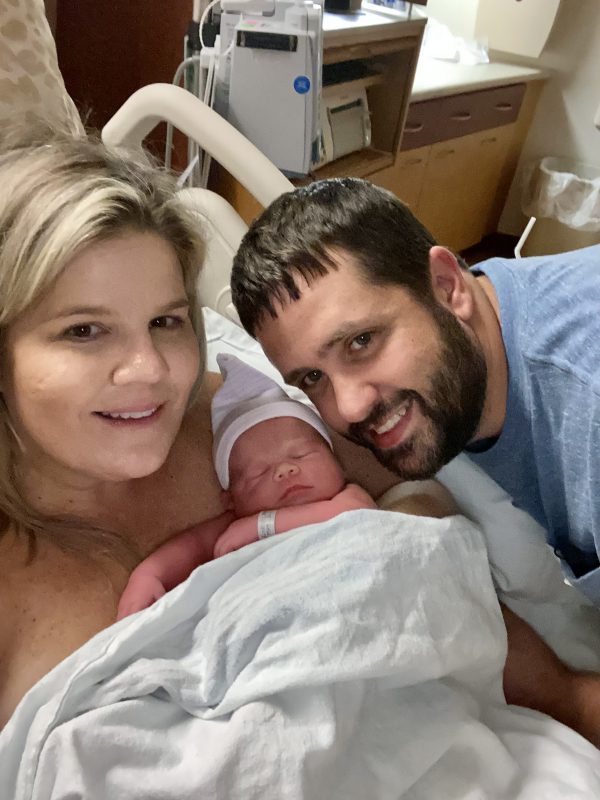
Through the period where they were seeking answers, Harlow often struggled to stay awake. Her wake windows were around 45 minutes long, necessitating frequent naps. Even when awake, Harlow displayed low energy. “She also completely missed milestones. There was no playing with toys, no engaging,” says Kim. “Since she cried every time she ate, I thought she had colic. But it turns out the breastmilk was full of carbohydrates that were hurting her.”
After an abnormal MRI at six months old which then lead to subsequent mitochondrial panels and whole exome sequencing, Harlow was diagnosed with Pyruvate Dehydrogenase Complex Deficiency. Although PDCD is a genetic disorder, most cases of PDCD—including Harlow’s—are de novo, or spontaneously occurring.
The family’s genetic counselor gave them a notebook with the available information on PDCD. Immediately, Kim noticed there was no cure. But given the clinical trial at the University of Florida, Kim “immediately knew we had to get involved” and got in touch, enrolling Harlow in the trial when she was just ten months old. Additionally, Kim decided to start Harlow on the ketogenic diet, which may help mitigate some of the lactic acid buildup in the body.
Frances and Violet’s Story
Unlike Harlow, Frances’ daughter Violet showed no signs of distress or red flags around the time of birth. She had a good APGAR score and displayed no issues with breastfeeding.
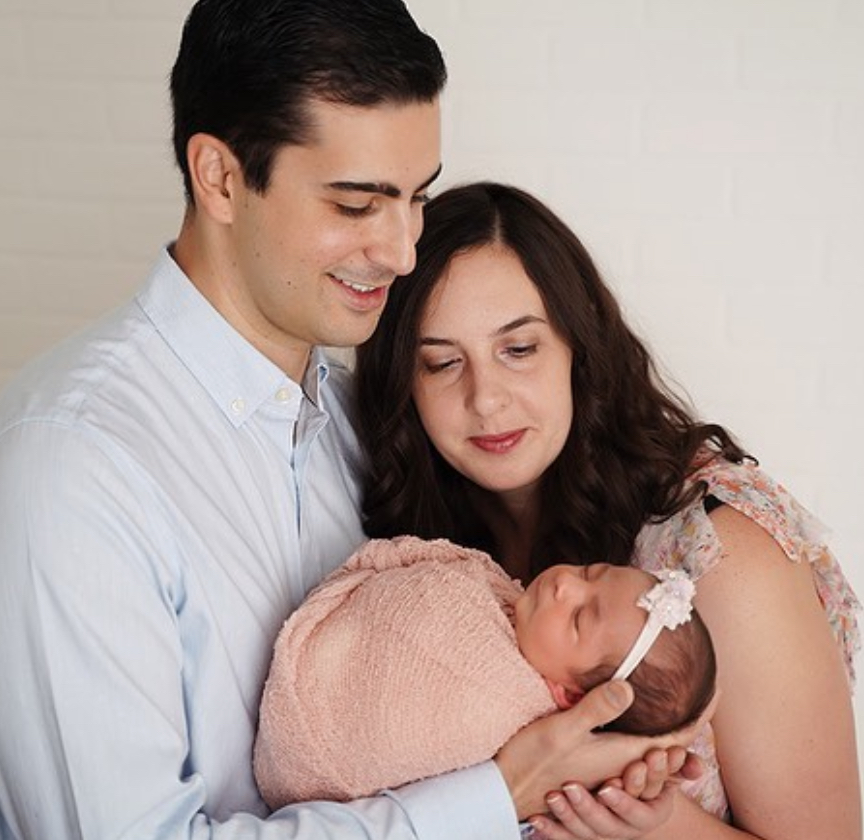
It wasn’t until the months stretched after Frances brought Violet home from the hospital that she began developing a nagging feeling that something wasn’t quite right.
At the time, Frances was the product designer at an infant formula company. Surrounded by lactation consultants, specialists, and (of course) newborns, it struck Frances that Violet didn’t seem to be developing at the same pace or hitting the ideal milestones.
“She wasn’t tracking faces or toys,” says Frances. When Violet was four months old and couldn’t hold her head up, Frances brought her to the pediatrician. But the feedback she received was dismissive at best, accusatory at worst. Frances shares, “I was told it must’ve been something I did during pregnancy. But I knew I didn’t do anything while pregnant and knew her birth was uneventful. I really think that the medical community needs to get out of this mindset of ‘when you hear hoofbeats, think horses, not zebras’ because the zebras are falling through the cracks.”
That response spurred Frances into action. She kept pushing, researching, and advocating. Frances asked for a referral to neurology. For microarrays. For tests and ultrasounds which kept coming back with normal results.
“We kept getting false reassurances that everything was fine,” says Frances. “Then, suddenly, we’d get hit with a mystery diagnosis: global developmental delays, microcephaly, hypotonia. To me, those seemed like red flags. So I kept asking to get seen by a new neurologist.”
By the time Violet’s MRI at six months old showed the devastation in her brain—“loss of white matter, thinning of the corpus callosum, and other brain abnormalities,” Frances shares—Frances at least had an idea of what her daughter was up against. She had been researching fervently and had come to the conclusion that Violet must have a genetic condition, possibly PDCD, a condition she had discovered while sifting through medical papers.
When Frances noticed the lactate peak on spectrometry, the diagnosis clicked into place. But yet again, she hit a wall when Violet’s neurologist refused to order genetic testing. Frances, however, was unwilling to accept that result. She called Stanford and UCSF, the latter of which brought the family in for expedited genetic testing and confirmed her suspicions. Soon after, Frances started Violet on the ketogenic diet and enrolled her daughter in the DCA clinical trial.
What is PDCD?
Pyruvate Dehydrogenase Complex Deficiency (PDCD) is an ultra-rare mitochondrial disorder of carbohydrate metabolism which causes a deficiency of one of the three enzymes (E1, E2, and E3) within the pyruvate dehydrogenase complex. When these enzymes are deficient, carbohydrate metabolism becomes impaired, leading to rising lactic acid levels which can cause neurological and systemic issues. “PDCD is the most common cause of lactic acidosis in babies,” says Frances.
According to Hope for PDCD, the nonprofit organization founded by Frances and her husband John, a majority of PDCD cases result from mutations in the X-linked PDHA1 gene, with a smaller subset caused by PDHB, DLAT, PDPA, or E3BP (PDHX) mutations. PDCD is a variable disease, which means not every child presents the same. Potential signs or manifestations of PDCD include:
- Hypotonia
- Developmental delays
- Poor feeding (in infants)
- Lethargy (in infants)
- Peripheral neuropathy
- Ventriculomegaly (enlarged fluid-filled ventricles in the brain)
- Motor delays
- Seizures
- Abnormalities of the corpus callosum
- Ataxia (impaired coordination)
- Leigh syndrome
Treatments and Current Management
PDCD is heterogeneous and affects each child differently. But there are common threads. All children with PDCD should be on some form of a ketogenic diet to manage their carbohydrate metabolism. “Even though we have only 1,000 U.S. patients identified, PDCD is well-documented and keto is known to be a good intervention,” says Frances. Most children also require additional therapies: physical, speech, occupational.
Families must also manage their child’s complex needs. Both Violet and Harlow are in special education classrooms. Violet also receives home health nursing because her needs are extensive and she requires medication throughout the day.
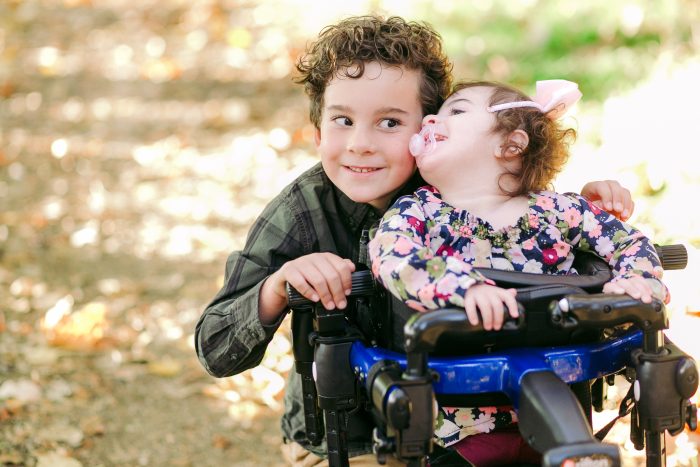
Kim battles with insurance constantly, since her home state doesn’t offer the same options of home healthcare as other states. When the family inquired about a Medicaid waiver, they were told there was an eight-year wait list. Not a great fit, given Kim was also told that PDCD had a four-year life expectancy.
Harlow is beating those odds. But two years ago, she lost her suck-swallow reflex and now relies 100% on a feeding tube. The tube is a lifeline for children with PDCD, both for nutrition and for when children get sick.
“Plenty of PDCD kids eat by mouth, but many people will keep the feeding tube because when our kids get sick, or dehydrated, or come out of ketosis, they can decline so rapidly,” Frances shares.
But a cure is urgently needed, especially as PDCD is often fatal in early childhood. “It’s hard to raise awareness,” Kim explains. “With certain conditions that are adult-onset, it’s more common knowledge because the person who has it might be someone’s dad, someone’s boss, someone famous. Children with PDCD don’t get the opportunity to get that same recognition.”
These mothers refuse to give up on their children. On their fight. On their community. So they continue to push the needle forward.
Hope for PDCD
Within months of Violet’s diagnosis, Kim and Frances connected through a Facebook group for PDCD parents and caregivers. Frances had already been working to establish Hope for PDCD, where Kim now operates as a Parent Board Member.
“I wasn’t surprised by Violet’s diagnosis, so I was already thinking about the next steps. I had been looking at other patient advocacy groups for Angelman syndrome and FOXG1, and I thought it was amazing how these parents were advancing science and research for their children’s disease,” Frances explains.

The Hope for PDCD Foundation was born. The Foundation works on advocacy at the policy level while also trying to help families with everyday care guidance. They’ve made strides in early detection, supporting pilot studies for genetic testing at birth. To prove the efficacy of potential gene therapies, the Foundation contributed to starting a mouse model in Texas under Dr. Steven Gray, PhD. They have attended conferences around the country, started hosting community webinars for the PDCD patient and caregiver community, and even launched a PDCD Patient Registry in collaboration with the Cure Mito Foundation.
“We have 90 patients registered from all over the world. If you’re out there and part of this community, please go to our registry and make sure you’re on there,” Frances asks.
Their efforts are paying off in strides. “We’ve raised over $1M for PDCD within the last three years,” says Kim. “We’re a small group, but very powerful. Now, when there is a newly diagnosed family, we can offer resources. We can direct them to our website, and that’s huge because we didn’t have something like that when we were diagnosed. We’ve built a community where we’re not alone.”
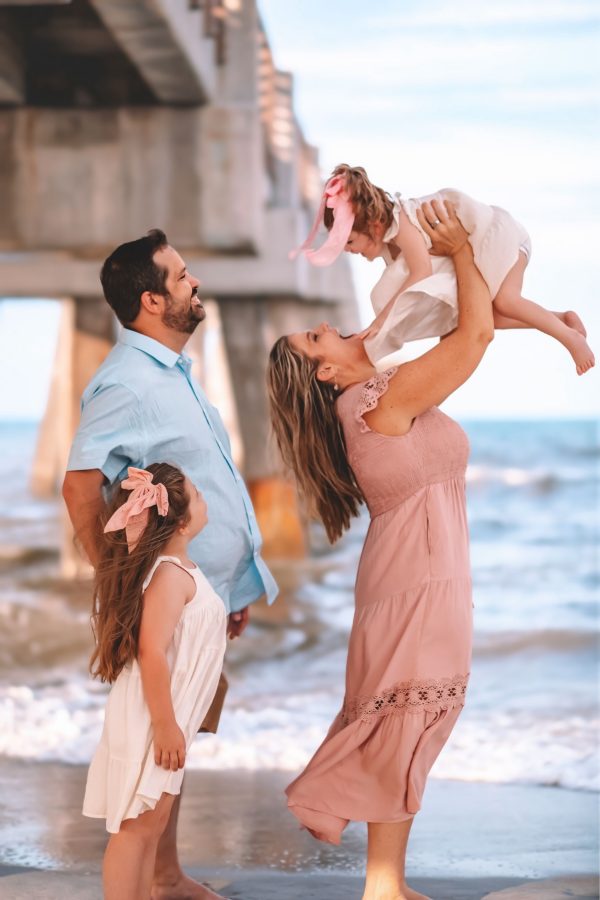
That community is now mobilizing to ask the FDA to reconsider SL1009’s benefits. “We would love the FDA to be more flexible and open to talking to the patient families,” says Frances.
Addressing the Complete Response Letter
Both Kim and Frances are extremely happy that they enrolled their daughters in the clinical trial which provided access to SL1099. Harlow has been on the drug since 2023. While her mom did research potential side effects, “there’s been kids on it for way longer than us, so it gave us hope. The pros outweighed any possible cons.”
Frances felt the same. Although neuropathy was a possible effect of treatment, neuropathy can also be part of the natural progression of PDCD. Frances says strongly, “We don’t regret the decision at all. I could tell when she was getting the drug because her lactic acid dropped from five to two, then to one, a healthy number for the first time ever. I can say without a doubt that Violet was on track to develop seizures because her EEG was abnormal without interventions, but normalized after treatment.”

Families who have been part of Saol’s program have seen hope through four years of survival data and participation in a Phase 3 clinical study. Although Saol Therapeutics has promised continued access following the Complete Response Letter, the future is uncertain. As Frances says, “I am grateful for the keto diet and that she was able to be in the clinical trial, but I am also terrified of losing access to the medication which has kept her stable, and devastated for the other families.”
The Complete Response Letter was not issued because of any inherent safety problems with SL1099. In fact, the therapy was safe and rather well-tolerated. The issue was how the FDA measured success, with the primary endpoint based on observer surveys that Kim describes as “black and white” questions which failed to capture the reality of living with PDCD.
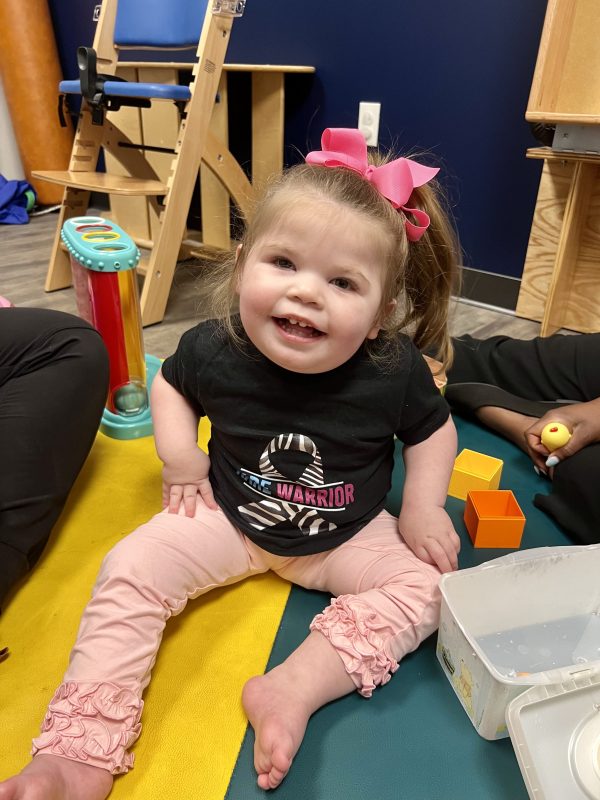
“It didn’t define our kids,” Kim explains, her frustration palpable. “The questions didn’t pertain to her. ‘Is she holding a utensil to eat?’ Well, she’s tube-fed. ‘Did they have seizures?’ Even some of the questions with variation didn’t account for things like my daughter being only ten months old when we started the trial. We were told our surveys were submitted as well, and I want to know why our words and our experiences weren’t weighed as much as a statistic on a spreadsheet. We can see the visible growth in our kids. I wish they would be more flexible taking that into consideration. And I know that’s not their endpoint but it’s hard to justify that with these kids.”
She continues, “Saol is standing by and doing what they can, and I’m so grateful. But there’s a definite risk of losing access to DCA.”
Frances agrees that the loss of DCA would be terrifying. “Unfortunately, all the wins we saw weren’t captured in the trial. At the same time, I don’t think that’s justification enough to not approve this treatment, especially because we did see so many gains and improvements to quality-of-life. There needs to be flexibility with pediatric rare diseases without a lot of time,” Frances stresses.
What Happens Next?
Right now, Kim and Frances are mobilizing. They’re contacting elected representatives, requesting a delegation letter to the FDA. They want the agency to have an open and transparent conversation with families.
The urgency is real. While Kim and Frances are fighting to maintain access to DCA for their daughters, other families have been waiting patiently to get their children on the treatment. Now those families are scrambling, trying to figure out where they can get expanded access, which is limited.
As they wait to see what the FDA decides, as they rally their community and share their stories with anyone who will listen, Kim and Frances remain focused on what matters most: their daughters, and all the children like them.
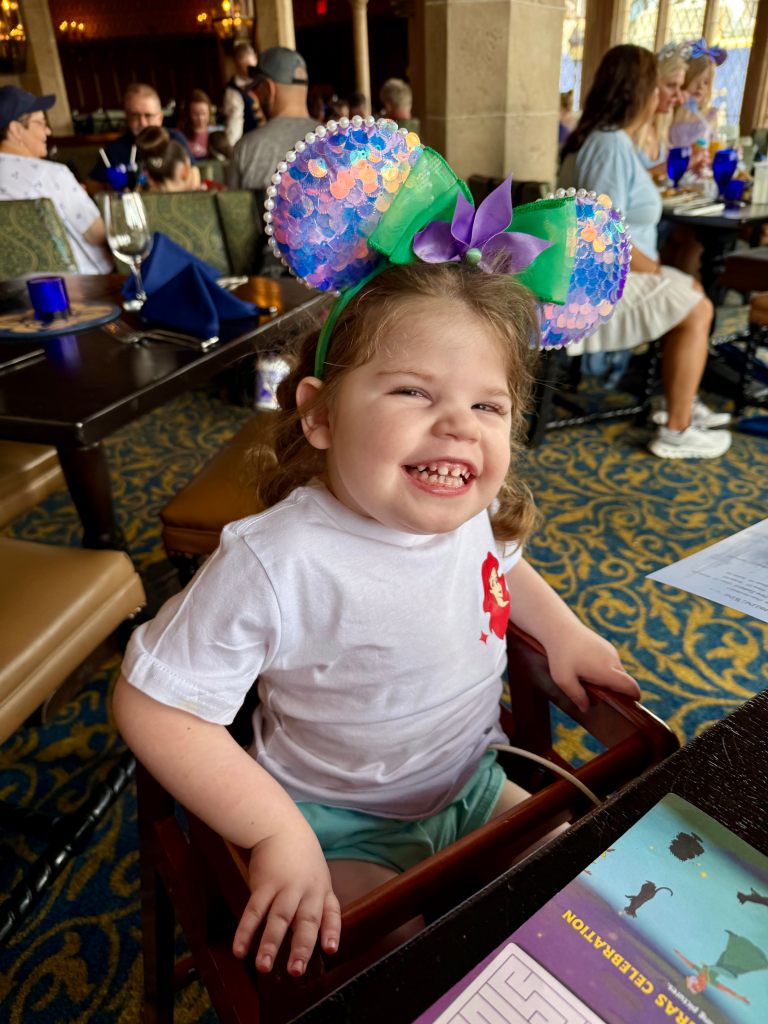
“Don’t give up,” Kim says. “If you have a doctor who is not listening to you, find a new doctor.”
“Trust your instincts,” Frances adds. “Your parental instincts are valid and should be taken as seriously as something a doctor says, in my opinion. If you don’t feel right about someone on your team, find someone who feels listened to and like you feel has your best interest at heart. With some of these diseases, it is timely. The sooner you start keto, the sooner you stop lactic acidosis. Violet started at eight months, but I can’t imagine where she’d be if we started on day one.”
For more information and to join the fight, visit approveDCA.com, the home base for everything related to the approval effort. To learn more about PDCD or to register as a patient, visit the Hope for PDCD Foundation and their patient registry.



 Rareatives
Leave a comment